
Designing for Cognitive Engagement
Mar 14, 2026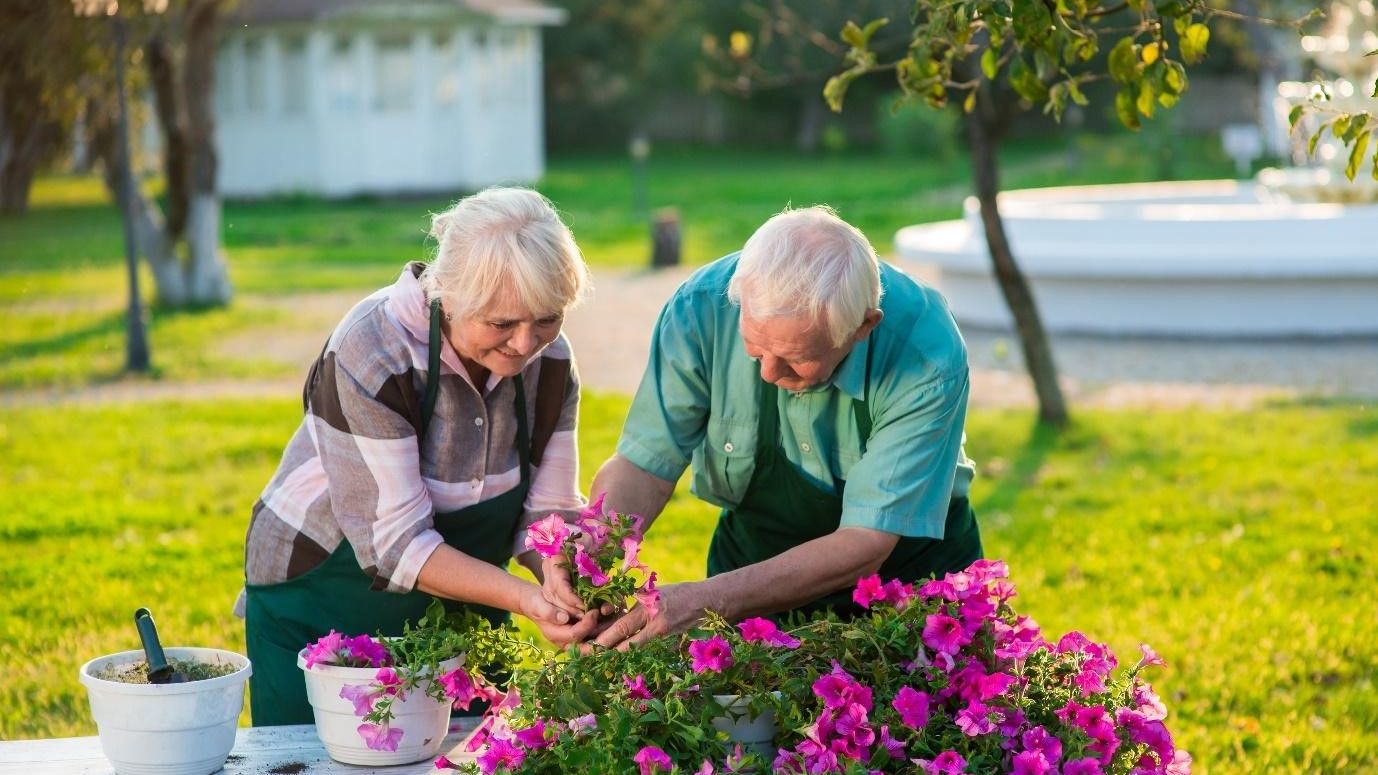
Designing for Cognitive Engagement
Key insights from Scott Fulton's webinar with the Habitarmonia Ecosystem — on brain health, biophilic environments, and what it truly means to design for human thriving.
For years, dementia care environments were designed with safety and symptom management in mind. But as Scott Fulton made clear in his session with the Habitarmonia Ecosystem, neuroscience is telling us that the story doesn't end there. Our brains, even when facing decline, adapt, reroute, and respond to the world around them — and, as Scott argues, so should the environments we inhabit.
"We are all relying on cognitive reserve — not just people with dementia. The richer and more complex our neural networks are, the better equipped we are to handle life's challenges."
— Scott Fulton, Engineer & Lifestyle Medicine Practitioner
Spaces as support systems
Scott's approach is refreshingly practical. While theory and research matter, he believes the greatest impact comes when we translate science into everyday life. With a background that blends engineering expertise, lifestyle medicine, and a deep understanding of aging, he invites us to see our built environments as more than places — they are active participants in our health journeys.
Cognitive reserve, a central concept in his talk, acts as a buffer against dementia and cognitive decline. It's not a specialist concern. As we age, our brains shrink in volume and our internal communication networks face blockages and slowdowns. Environmental cues — excessive noise, ambiguous space layouts, lack of natural reference points — can become genuinely overwhelming. This is our call to rethink how we design our homes, clinics, and community spaces.
Beyond calming — toward constructive engagement
Traditionally, biophilic design — connecting people with nature through their surroundings — has been celebrated for its calming effects. But Scott posed a deeper question: can we go beyond calming and actually construct environments that spark constructive engagement for the brain?
"The goal isn't just to soothe. It's to create opportunities for cognitive stimulation — environments that say yes to participation, not just to rest."
— Scott Fulton
The answer, in his view, is a resounding yes. From thoughtfully arranged windows that bring the outdoors in, to multipurpose garden spaces, his examples show that design can create real opportunities for cognitive stimulation. Climbing walls in senior communities, outdoor game rooms with activities that challenge memory, coordination, and creativity — all nestled in nature-rich settings — are not utopian fantasies. They are realizable, evidence-grounded design choices.
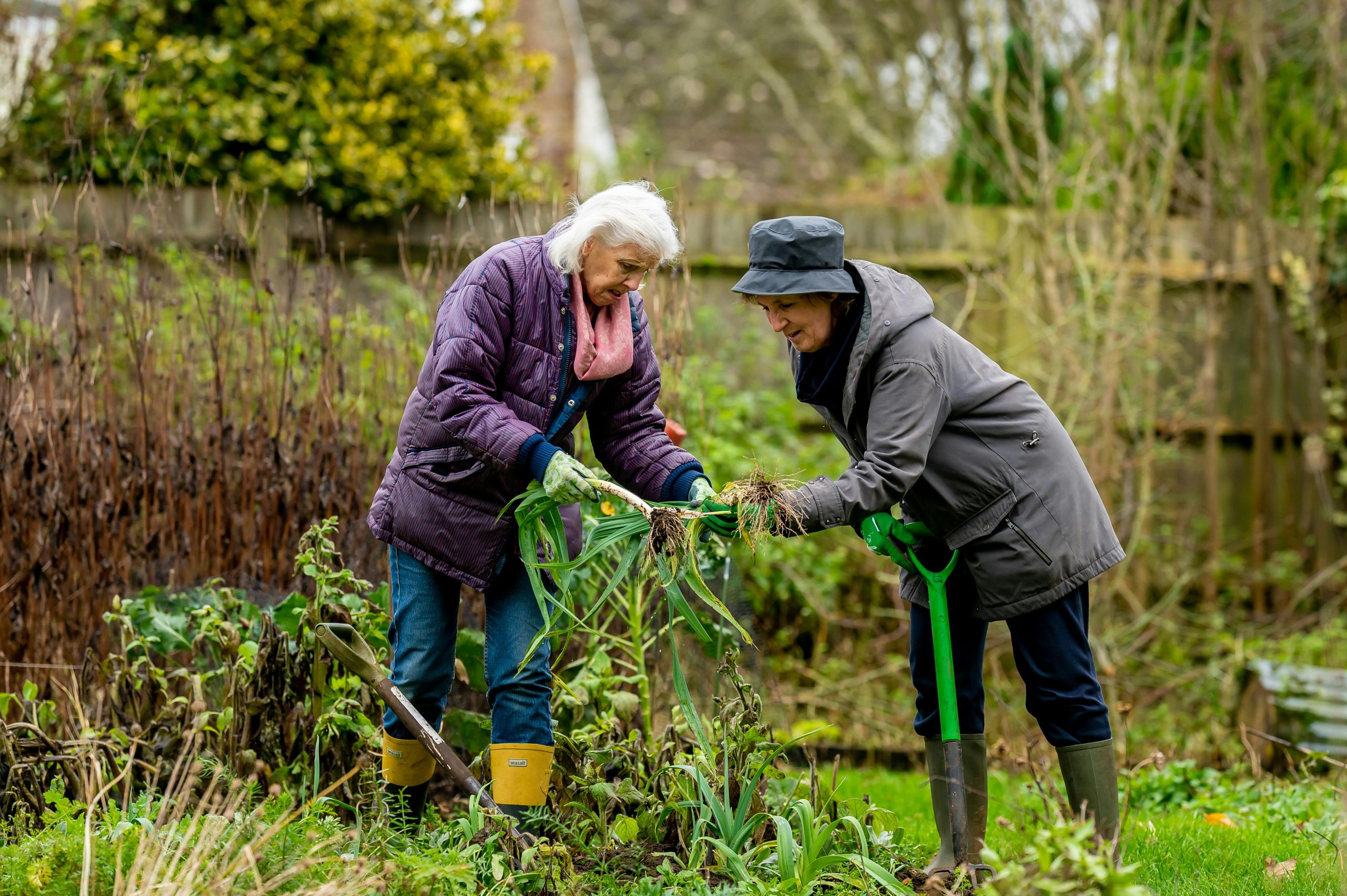
Layered activities — like gardening — combine planning, sensory input, physical movement, and reward, nurturing both body and mind.
The power of dual tasking and play
A highlight of the session was a live exercise in multitasking — tapping a finger while counting the alphabet backwards, switching between naming colors and words. The challenge was immediate and visceral: our brains slow down when forced to divide attention. For someone with dementia, even simple tasks can become monumental. But research shows that with the right environment and activities — especially those involving dual tasking — engagement and brain health actually improve.
"Gardening brings together planning, sensory input, physical activity, and reward. These layered activities are some of the most powerful tools we have."
— Scott Fulton
Scott advocates for spaces that encourage play, movement, and purpose across all ages. Dual-task activities embedded into the environment — pathways that invite counting, gardens that demand planning, textures that prompt touch — are not decorative afterthoughts. They are the design itself.
Design for purpose, not just protection
Perhaps Scott's most powerful point was this: too often, systems are designed around protecting or containing people — particularly the elderly or those living with dementia. The instinct is understandable. But it robs people of the very thing that keeps them engaged: a sense of identity, usefulness, and belonging.
Sometimes that means facilitating simple tasks or enabling moments of joy and connection. A place to tidy. A garden bed to tend. Small reminders of autonomy become catalysts for engagement in ways that no safety feature ever will.
"We need to stop designing for compliance and start designing for participation. That shift changes everything — for the person and for the space."
— Scott Fulton
Making it happen at home
How do you bring this thinking into your own life or design process? Scott's advice was deliberately practical: combine activities, involve movement with mental challenges, and design for flexibility. You don't need major renovations. Sometimes it's as simple as playing games, rearranging daily routines, or inviting nature in through views, textures, and living materials.
His closing message resonates across every scale of design: we all benefit from environments that engage, support, and invite us to play — no matter our age or cognitive status. Design is not just about aesthetics or compliance. It's about active participation in human thriving.
Want to go deeper?
Scott's books WellSpan and Function explore these strategies for extending healthspan and supporting optimal aging. If you're part of the Habitarmonia Ecosystem community, stay connected — more sessions at the intersection of neuroscience, design, and wellbeing are on the way.
Let's design for life, not just longevity.
Learn about our services and courses.
At Habitarmonia we want to spread the word about our passion: create healthy and well-being spaces for our customers!
Stay connected with news and updates!
Add your email to the mailing list to receive information on the latest courses and enrolments.
We hate SPAM. We will never sell your information, for any reason.
